China Loader Hydraulic Cylinder Manufacturer
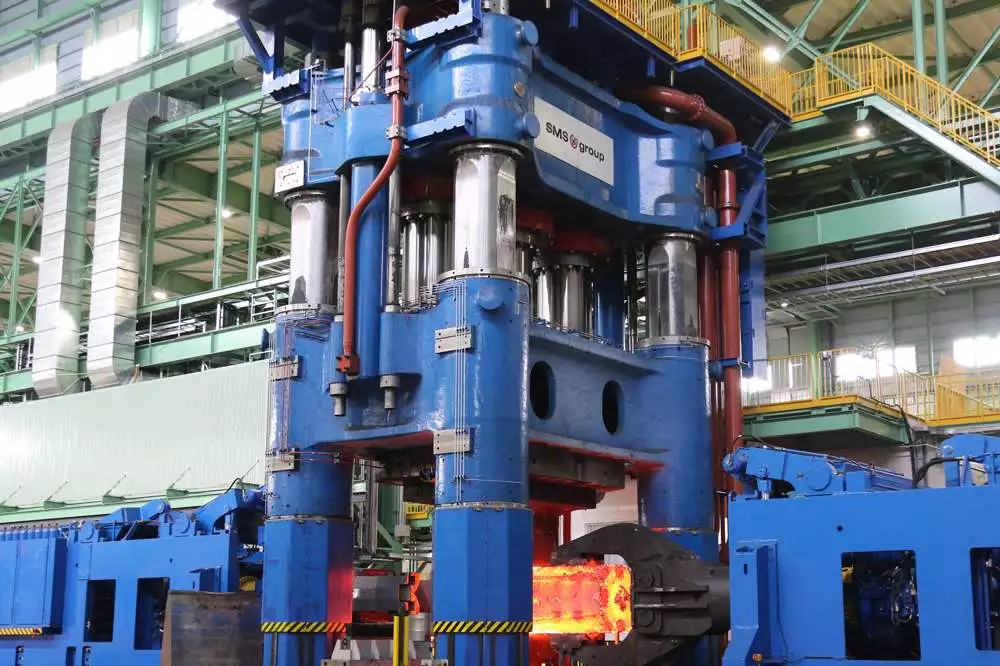
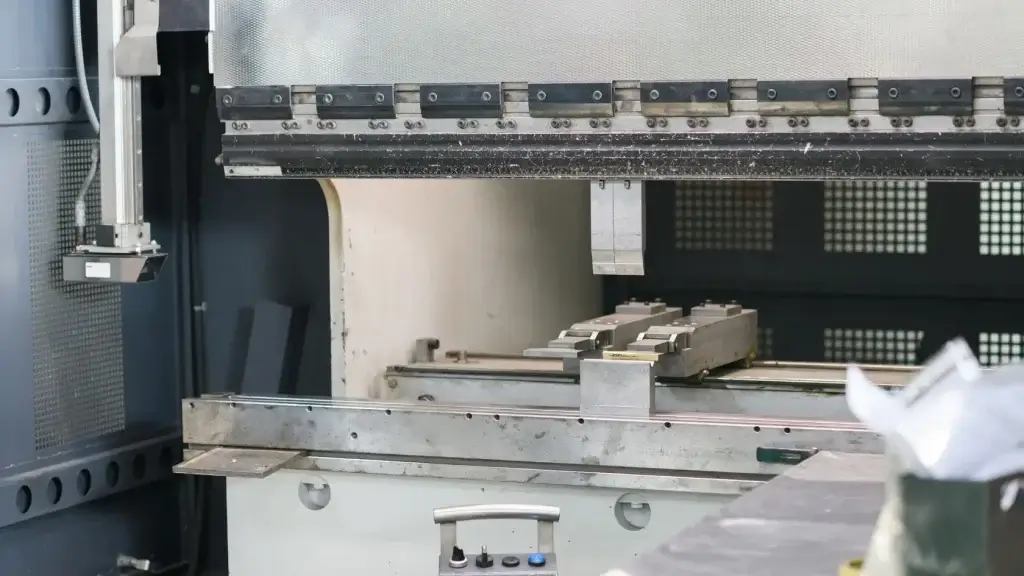
GY Hydraulic can accommodate non-standard installation requirements for various types of equipment. The company has the capability to develop both standard and specialty hydraulic cylinders, with a manufacturing range covering bore diameters from φ25 to φ1000 mm and strokes up to 16 m. It is equipped with honing, CNC machining, and hydraulic cylinder testing equipment.
Home / China Loader Hydraulic Cylinder
Why Choose GY Hydraulic
Leveraging its professional engineering capabilities, GY Hydraulic provides reliable welded hydraulic cylinders for OEM and custom projects. From prototype development to mass production, we help you achieve consistent product performance, reliable supply assurance, and more efficient project delivery.
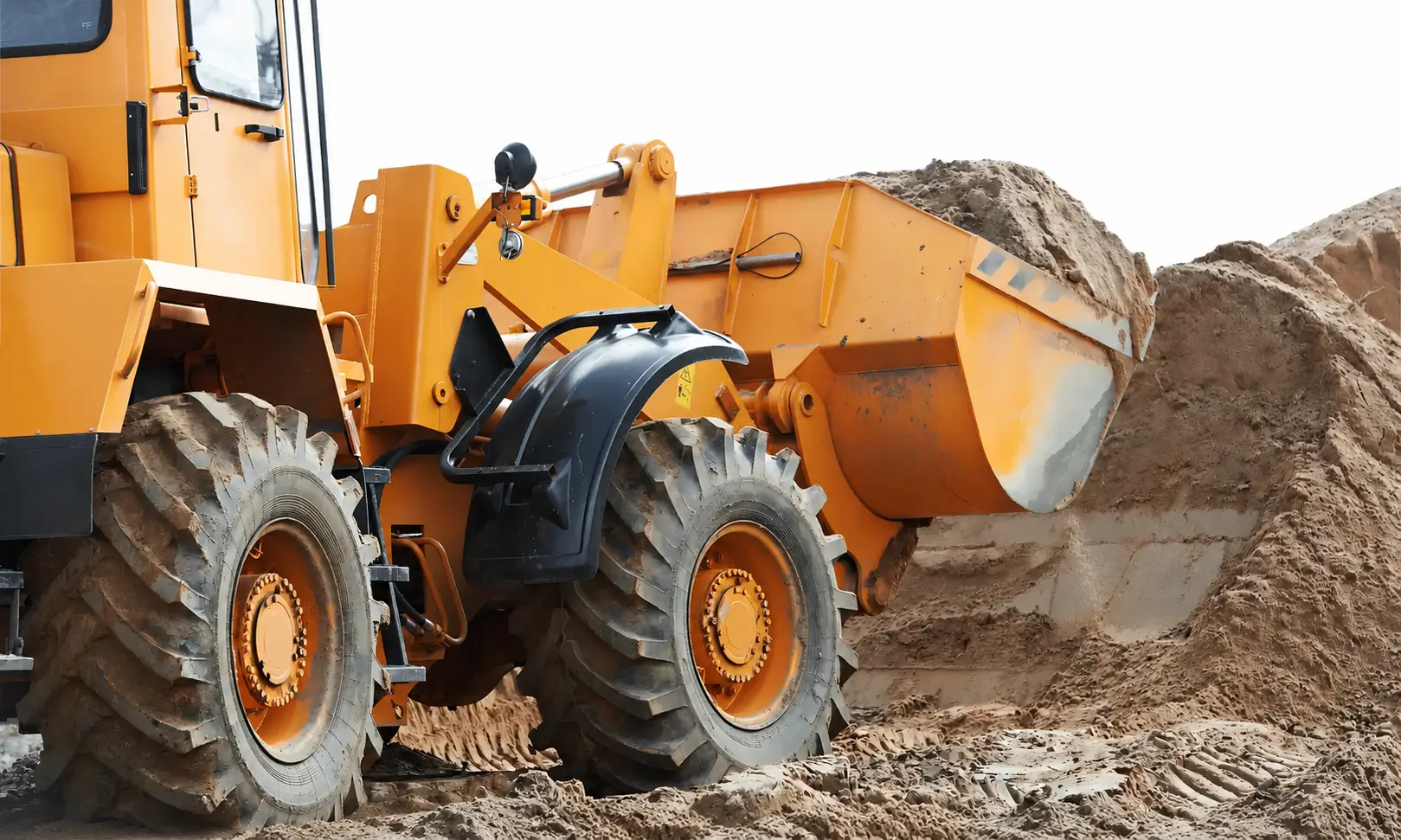
Our Loader Hydraulic Cylinder Range
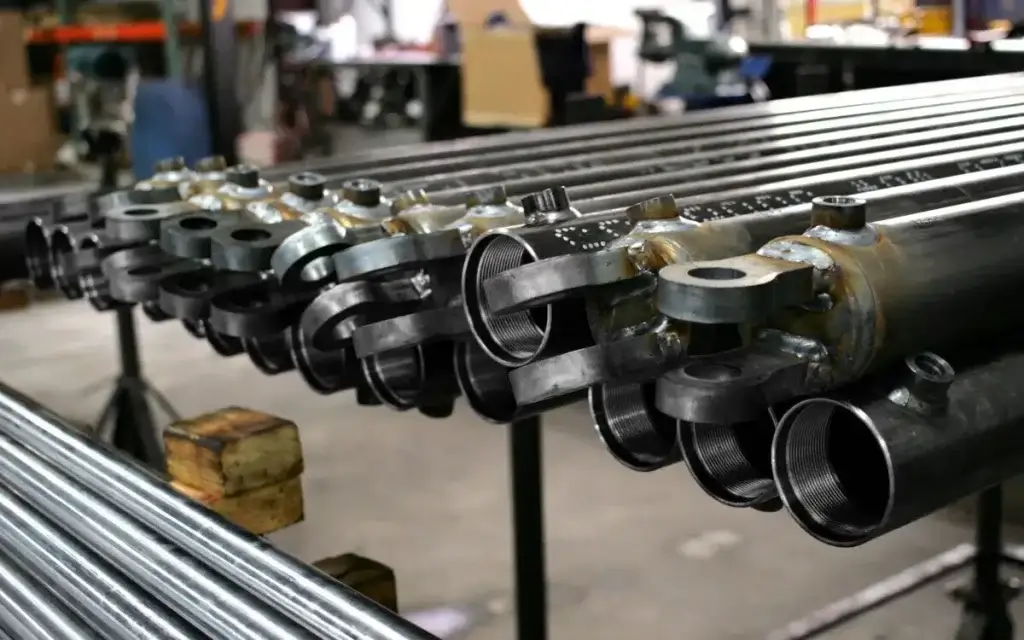
GY Hydraulic can design and manufacture various types of welded hydraulic cylinders tailored to your equipment’s structure, load, operating pressure, stroke, and installation space. Currently, our welded hydraulic cylinders are widely used in general industrial equipment as well as in projects involving heavy loads, long strokes, and special environments.
Specifications for Loader Hydraulic Cylinder
GY Hydraulic customizes lift, bucket tilt, steering, and attachment cylinders according to the loader structure, operating load, hydraulic pressure, and available installation space, providing reliable China Loader Hydraulic Cylinder solutions.
| Customization Item | Available Customization Options | Problems We Help Solve |
|---|---|---|
| Bore, Rod Diameter and Stroke |
Bore Diameter
Piston Rod Diameter
Effective Stroke
Retracted Length
Extended Length
Main dimensions are selected according to lifting force, tilt force, steering force, hydraulic pressure, and installation space. |
Reduces the risks of insufficient force, incorrect stroke, installation interference, and inadequate piston rod stability. |
| Cylinder Function |
Boom Lift Cylinder
Bucket Tilt Cylinder
Steering Cylinder
Attachment Cylinder
The cylinder structure is designed according to its specific function and installation position on the loader. |
Ensures that output force, stroke, and operating speed match the required loader function. |
| Working Pressure and Output Force |
Working Pressure
Peak Pressure
Push Force
Pull Force
Safety Factor
Actual cylinder loads are evaluated using rated machine capacity, pivot geometry, and cylinder installation angle. |
Prevents insufficient lifting performance or unnecessary oversizing caused by selecting a cylinder only according to machine weight. |
| Mounting Configuration |
Plain Eye
Spherical Eye
Flange Mounting
Trunnion Mounting
Custom Pins
Rod-end and cap-end connections can be customized according to pivot positions, movement angles, and mounting dimensions. |
Improves installation compatibility and reduces misalignment, side loading, and mechanical interference. |
| Piston Rod Configuration |
Rod Material
Custom Rod Diameter
Hard Chrome Plating
Induction Hardening
Custom Rod End
The piston rod is selected according to stroke, load, side-load risk, impact, and operating frequency. |
Improves piston rod wear resistance, bending strength, and impact resistance. |
| Sealing and Guidance System |
Piston Seal
Rod Seal
Wiper Seal
Guide Ring
Fluid Compatibility
Seal configurations are selected according to pressure, temperature, hydraulic fluid, dust, mud, and outdoor operating conditions. |
Reduces external leakage, internal bypass, contaminant ingress, and premature seal wear. |
| Cushioning and Motion Control |
Single-End Cushioning
Double-End Cushioning
Adjustable Cushioning
Flow Restriction Design
Cushioning can be configured according to load inertia, operating speed, and end-of-stroke impact. |
Reduces shock and vibration when the boom, bucket, or steering mechanism reaches the end of its stroke. |
| Ports and Connections |
Thread Standard
Port Size
Port Position
Port Orientation
Bleeding Port
Port layouts can be adjusted according to hose routing, valve position, and available installation space inside the loader. |
Reduces hose bending, connection interference, and on-site assembly difficulties. |
| Surface Protection |
Custom Paint Color
Rust Protection
Protective Coating
Outdoor Application
Surface protection can be selected according to exposure to rain, dust, mud, cleaning processes, and outdoor storage. |
Improves cylinder protection in construction sites and demanding outdoor environments. |
| Machining and Manufacturing |
Deep-Hole Machining
Honing
CNC Turning
CNC Machining
Custom Parts
Custom machining is available for cylinder tubes, piston rods, cylinder heads, cylinder bases, and mounting components. |
Improves dimensional compatibility and supports prototype development and stable volume production. |
| Factory Testing |
Pressure Testing
Leakage Inspection
Extension Test
Stroke Inspection
Cushioning Inspection
Pressure resistance, sealing, dimensions, movement, and cushioning performance can be checked according to the approved design and contract. |
Reduces the risks of leakage, sticking, stroke deviation, and inconsistent performance between production batches. |
| OEM and Volume Production |
Build to Drawing
Replacement Cylinder
Prototype Development
Non-Standard Design
Volume Supply
We support the complete process from technical confirmation and prototype production to volume order delivery. |
Helps loader manufacturers and replacement-parts suppliers establish a stable hydraulic cylinder supply chain. |
Custom Welded Hydraulic Cylinder Process
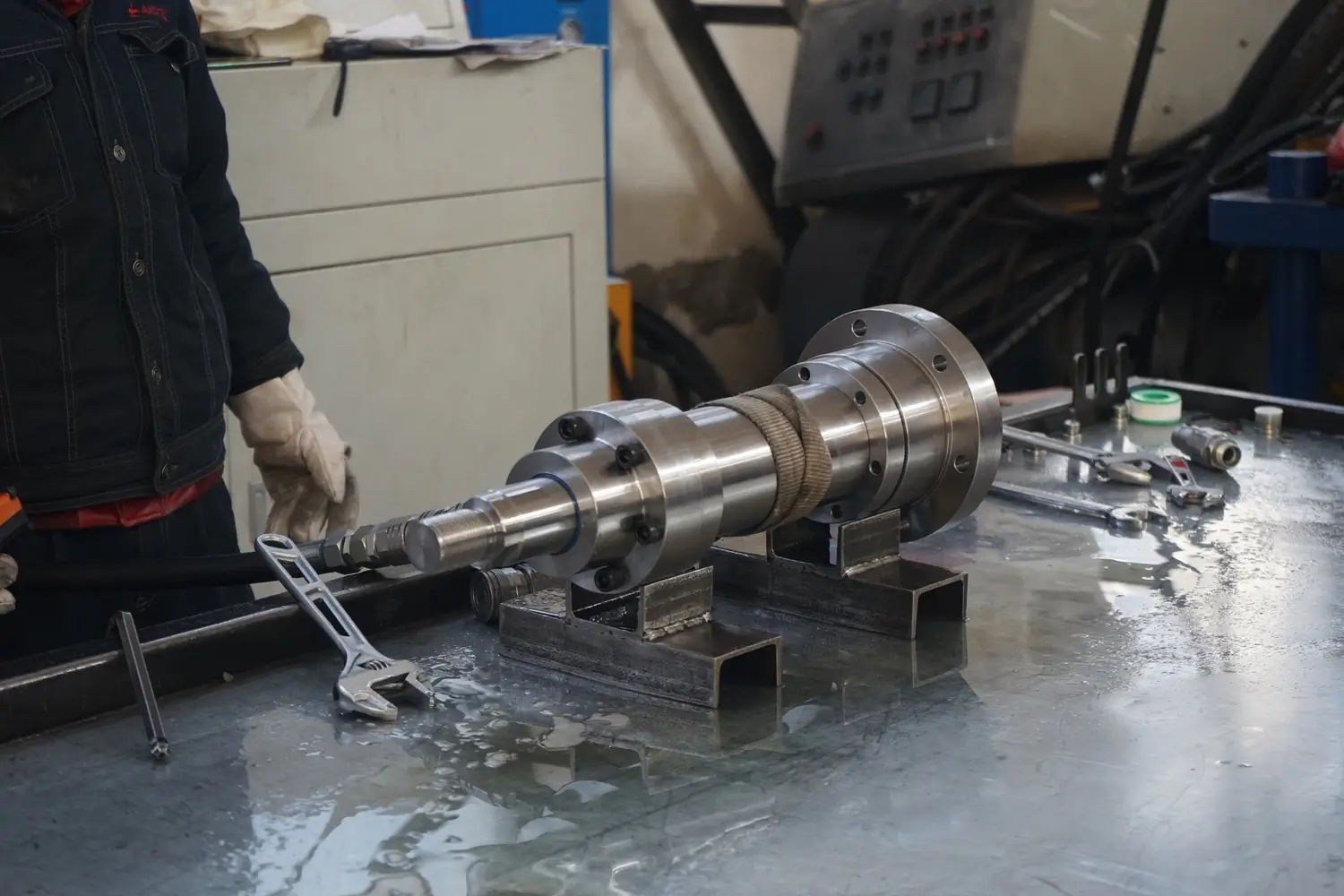
GY Hydraulic begins with an analysis of your project requirements and provides support throughout the entire process—from hydraulic cylinder design and drawing confirmation to precision machining, assembly testing, and delivery. Each project is tailored to the actual load, installation space, operating pressure, motion requirements, and operating environment, ensuring that the custom hydraulic cylinder is perfectly matched to your equipment.

Submit Requirements
Provide hydraulic cylinder drawings, photos of samples, or key parameters, including cylinder bore, rod diameter, stroke, operating pressure, mounting method, and purchase quantity.

Engineering Design
GY Hydraulic determines the hydraulic cylinder’s structure, materials, seals, cushioning, and mounting configuration based on equipment load, installation space, and operating environment.

Production and Testing
Precision machining, welding, and assembly are completed in accordance with the approved drawings, followed by dimensional inspection, pressure testing, leak testing, and functional testing.

Packaging and Delivery
After passing inspection, the products undergo surface protection and packaging, and are delivered according to order specifications. Installation, usage, and maintenance support are also provided.
OEM Loader Hydraulic Cylinder Engineering Support
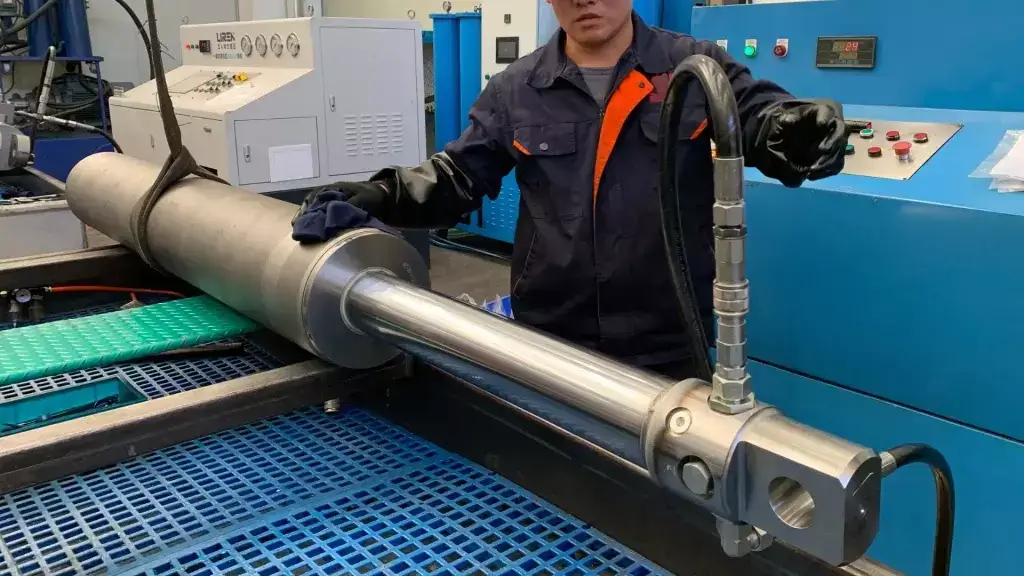
Loader hydraulic cylinders are not standard components that operate independently. Their bore diameter, stroke, mounting position, and output force must be matched to the boom, bucket linkage, steering mechanism, and the machine’s overall hydraulic system.
GY Hydraulic provides loader manufacturers with engineering support—ranging from requirements analysis and structural design to production testing—for boom lift cylinders, bucket tilt cylinders, steering cylinders, and attachment control cylinders. We help you minimize risks such as incorrect component selection, installation interference, and inconsistent batch quality.
Verify Hydraulic Cylinder Operating Conditions Before Starting the Project
Design of Hydraulic Cylinder Parameters and Structure Based on Requirements
Carefully verify against drawings or samples before production
Sample Testing and Performance Verification After Hydraulic Cylinder Assembly
Loader Hydraulic Cylinder Solutions by Function
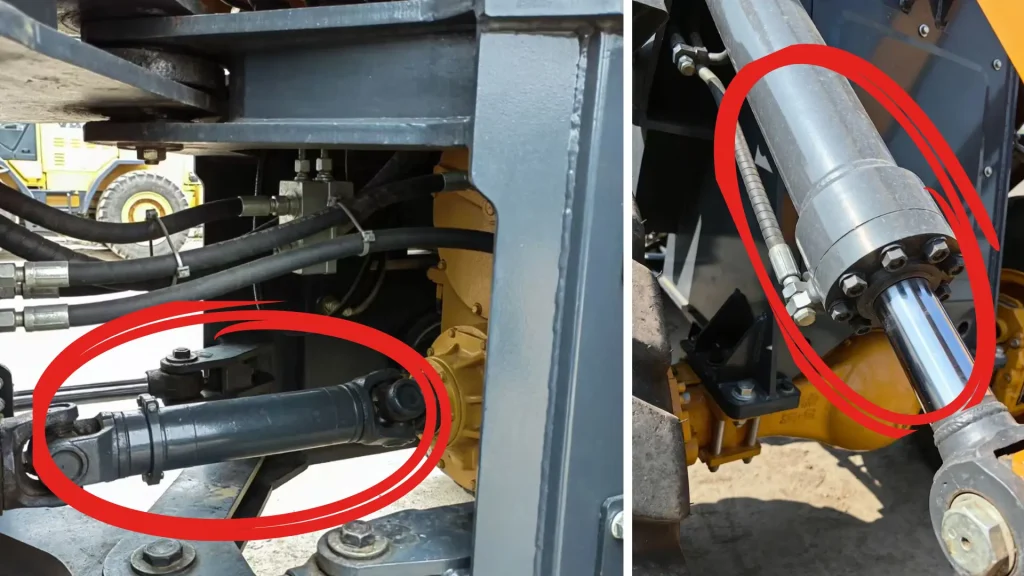
The hydraulic cylinders on a loader are responsible for core operations such as boom lifting, bucket tilting, vehicle steering, and attachment control. Cylinders in different positions vary significantly in terms of load direction, operating speed, working stroke, and impact levels; therefore, they cannot simply be substituted using the same set of parameters.
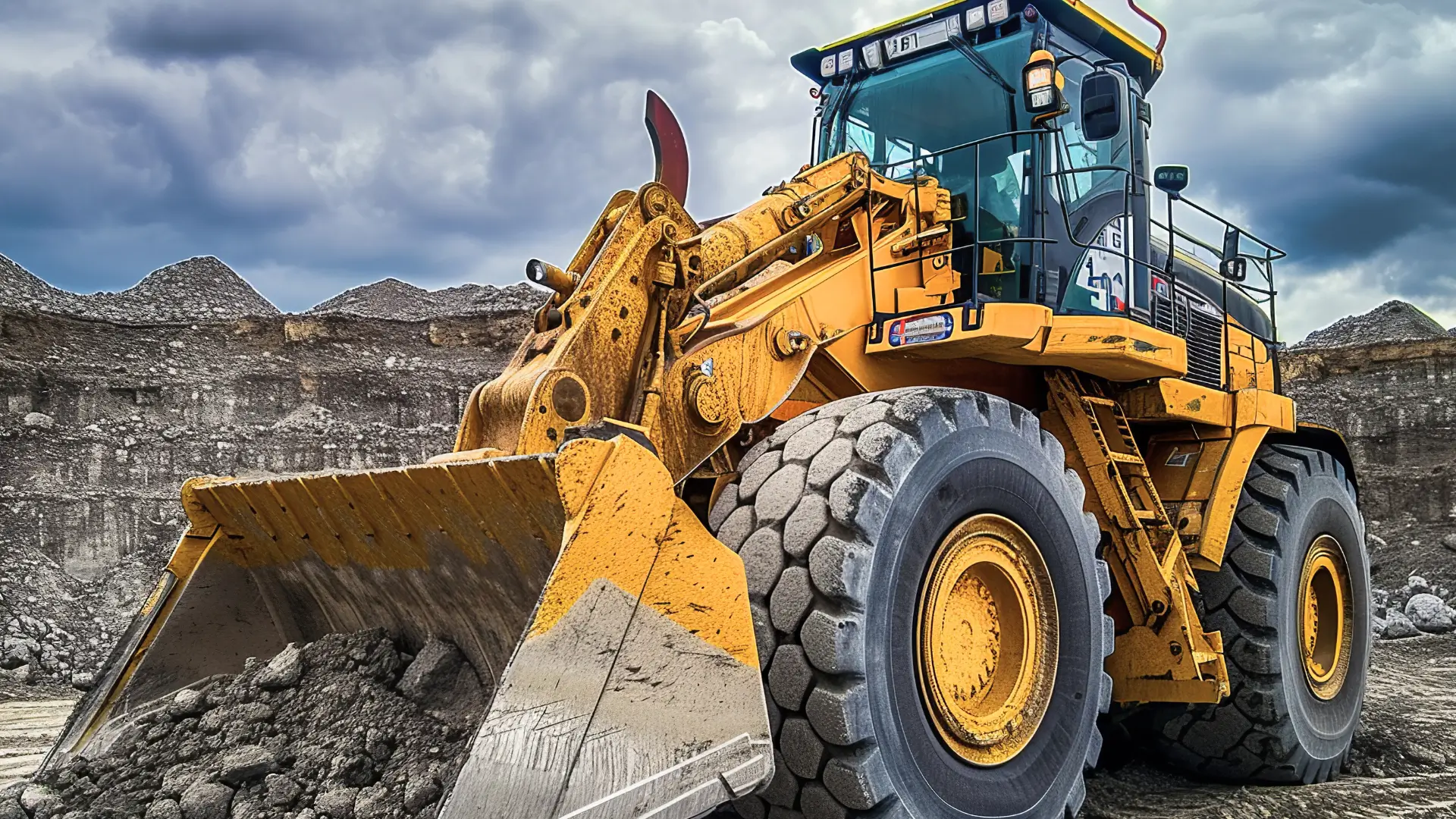
Boom Lift Hydraulic Cylinder
Used to control the lifting and lowering of a loader’s boom to perform material loading, lifting, and handling.
GY Hydraulic can customize the cylinder bore, rod diameter, stroke, and end connection configurations based on the rated load, lift height, and installation angle to enhance stability during heavy-load lifting.
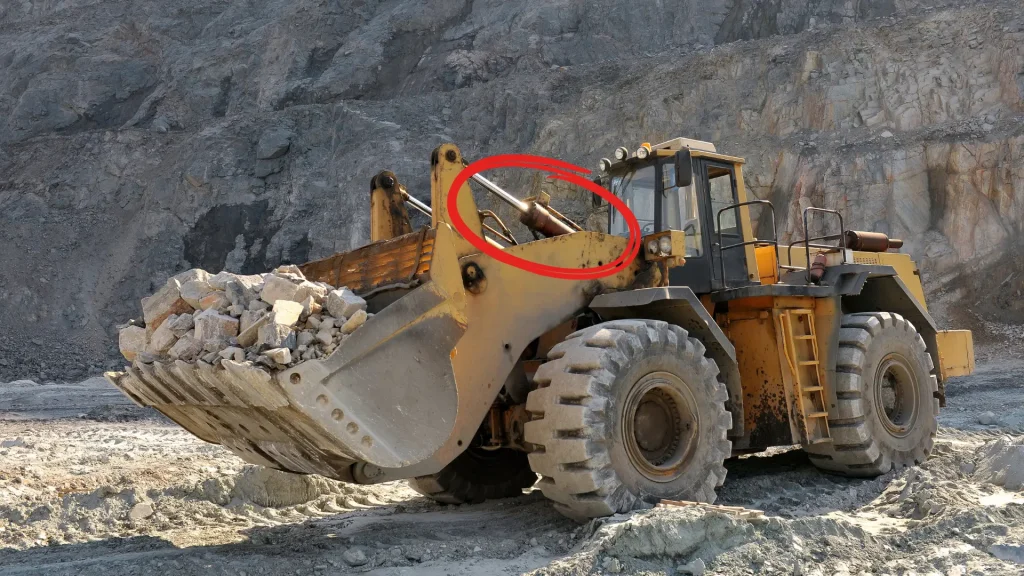
Bucket Tilt Hydraulic Cylinder
Used to control bucket retraction and unloading, this is a high-frequency motion component of the loader.
We determine the cylinder stroke based on bucket capacity, tilt angle, and linkage structure, and configure a cushioning mechanism according to end-of-stroke impact conditions to ensure smoother tilting operations.
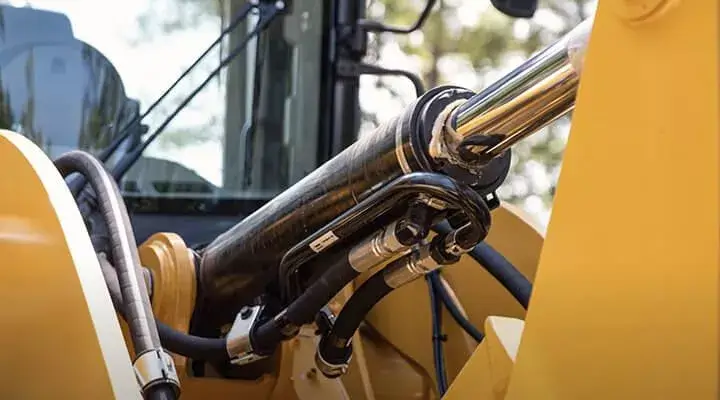
Loader Steering Cylinders
Used to drive the articulated frame or steering axle to enable the vehicle to turn left or right.
GY Hydraulic can customize double-acting steering cylinders based on steering angle, thrust force, and installation space, and match them with ball joints, pins, and port locations.
Quick-Change Systems and Attachment Hydraulic Cylinders
Used to control the locking, releasing, or gripping actions of attachments such as quick-change systems, grapples, clamps, and forks.
For structures with limited installation space, we offer short-stroke, compact hydraulic cylinders and can customize mounting dimensions, rod-end configurations, and port orientations.
Get An Instant Quote Now
why choose us as your weld hydraulic cylinder manufacturer
When purchasing custom hydraulic cylinders, the real risks go beyond price—they include specification mismatches, insufficient manufacturing capacity, inconsistent quality, and a lack of technical support after delivery. GY Hydraulic helps you mitigate project risks through engineering design, professional manufacturing, testing equipment, and after-sales support.
- We review designs based on your requirements.
- We can handle standard, long-stroke, and heavy-duty projects.
- We minimize issues caused by dimensional deviations.
- We are equipped with a variety of test benches.
- We provide guidance on installation, operation, storage, maintenance, and repair.
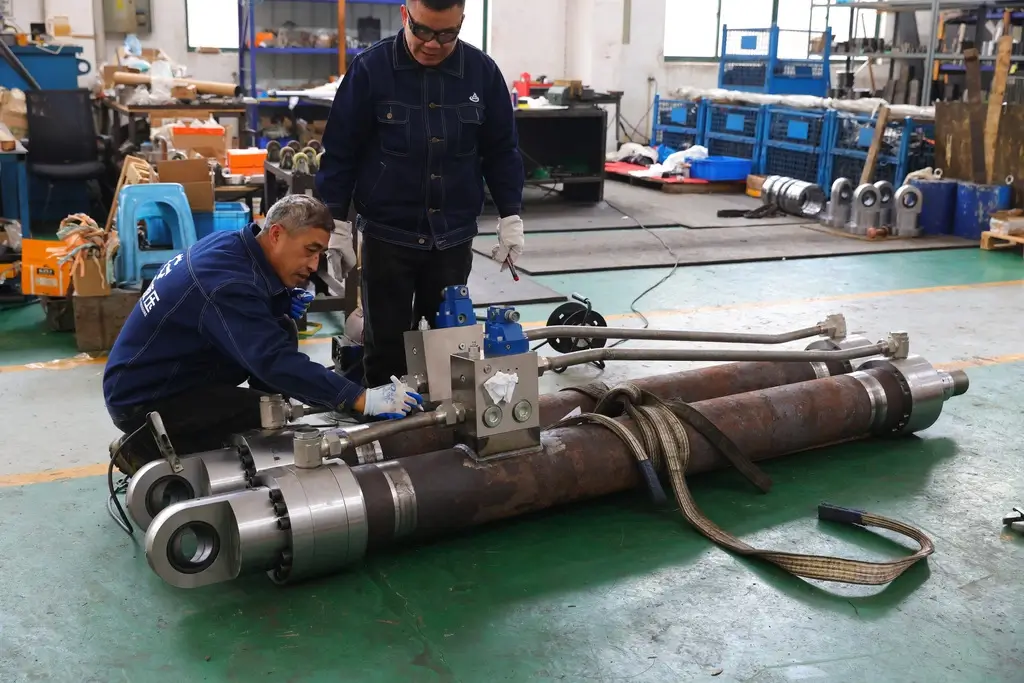
1. How to Select the Bore, Rod Diameter, and Stroke of a Loader Hydraulic Cylinder?
The bore should be determined based on the system pressure and the required thrust; the rod diameter should be selected based on the load, stroke, mounting angle, and bending resistance requirements; and the stroke is determined by the actual travel distance of the boom, bucket, or steering mechanism.
When selecting a model, do not rely solely on the loader’s rated load; you should also provide:
- Hydraulic system operating pressure;
- Cylinder mounting angle;
- Mechanical pivot point location;
- Maximum dynamic load;
- Center-to-center distance between retracted and extended positions;
- Actual motion path.
2. Can loader hydraulic cylinders be equipped with a cushioning mechanism?
Yes. Based on the cylinder load, operating speed, and end-of-stroke impact conditions, the following options can be evaluated:
- No cushioning;
- Single-end cushioning;
- Double-end cushioning;
- Adjustable cushioning.
When the boom is lowered, the bucket is tilted, or the steering mechanism rapidly reaches the end of its stroke, a proper cushioning design helps reduce impact and vibration. The specific cushioning configuration should be determined in conjunction with hydraulic flow rate, operating speed, and load inertia.
3. How should loader hydraulic cylinders be stored when not in use for an extended period?
How should loader hydraulic cylinders be stored when not in use for an extended period?
Hydraulic cylinders should be stored in a dry, well-ventilated location, protected from direct exposure to weather changes, moisture condensation, and corrosive gases.
For long-term storage, you should:
- Protect exposed piston rods;
- Seal the oil ports;
- Protect mounting surfaces and machined surfaces;
- Apply protective grease to ball joints and bearings;
- Add a rust inhibitor compatible with the seals and working fluid to the interior of the cylinder;
- Periodically inspect the condition of the rust inhibitor and the working fluid;
- Extend and retract the cylinder periodically to prevent seals from sticking.
We define storage for up to three months after arrival as short-term storage; all other cases are considered long-term storage.
4. How should loader hydraulic cylinders be stored when not in use for an extended period?
How should loader hydraulic cylinders be stored when not in use for an extended period?
Hydraulic cylinders should be stored in a dry, well-ventilated location, protected from direct exposure to weather changes, moisture condensation, and corrosive gases.
For long-term storage, you should:
- Protect exposed piston rods;
- Seal the oil ports;
- Protect mounting surfaces and machined surfaces;
- Apply protective grease to ball joints and bearings;
- Add a rust inhibitor compatible with the seals and working fluid to the interior of the cylinder;
- Periodically inspect the condition of the rust inhibitor and the working fluid;
- Extend and retract the cylinder periodically to prevent seals from sticking.
We define storage for up to three months after arrival as short-term storage; all other cases are considered long-term storage.
5. Can I request a quote without complete drawings?
You can submit the information you have on hand first. Please send photos of the old cylinder, the nameplate, key dimensions, the loader model, and specific functions. GY Hydraulic will assist in compiling the technical parameters that still need to be confirmed.
However, before producing samples or moving to mass production, the cylinder bore, rod diameter, stroke, mounting dimensions, operating pressure, material, seal configuration, and testing requirements must still be finalized to avoid installation incompatibility or subsequent rework.
View More Videos about GY Hydraulic
Gain an in-depth understanding of GY Hydraulic’s production processes, manufacturing equipment, quality control, and customization capabilities. See firsthand how we provide reliable hydraulic solutions for a wide range of industrial projects.
Hydraulic Cylinder Solutions for Global Customers
Whether it’s a standard hydraulic cylinder or a complex OEM project, we can provide professional solutions based on the drawings, equipment requirements, and application environment you provide.