China Agricultural Hydraulic Cylinders
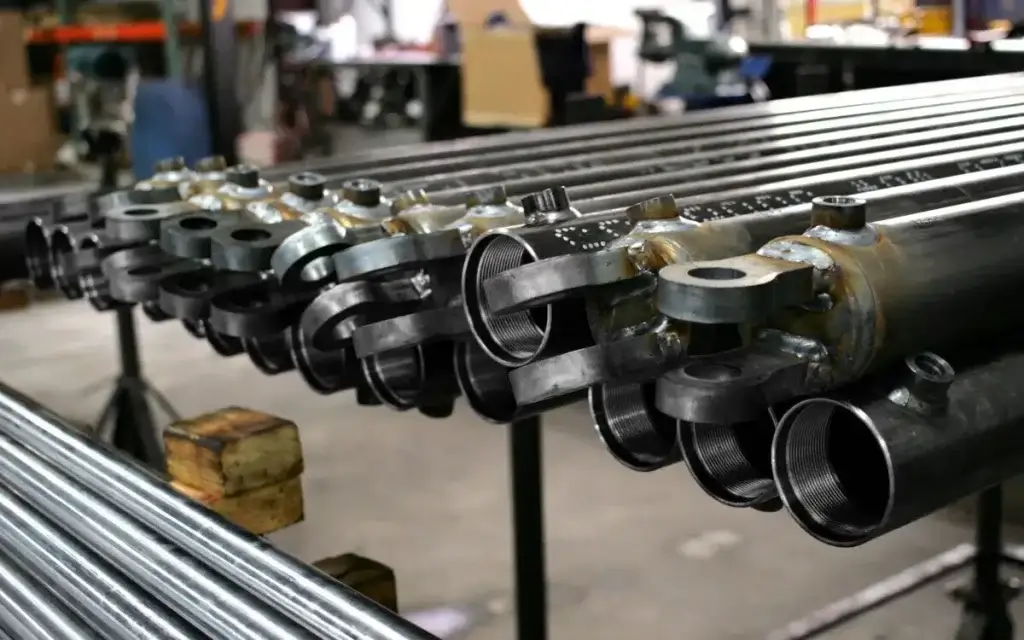
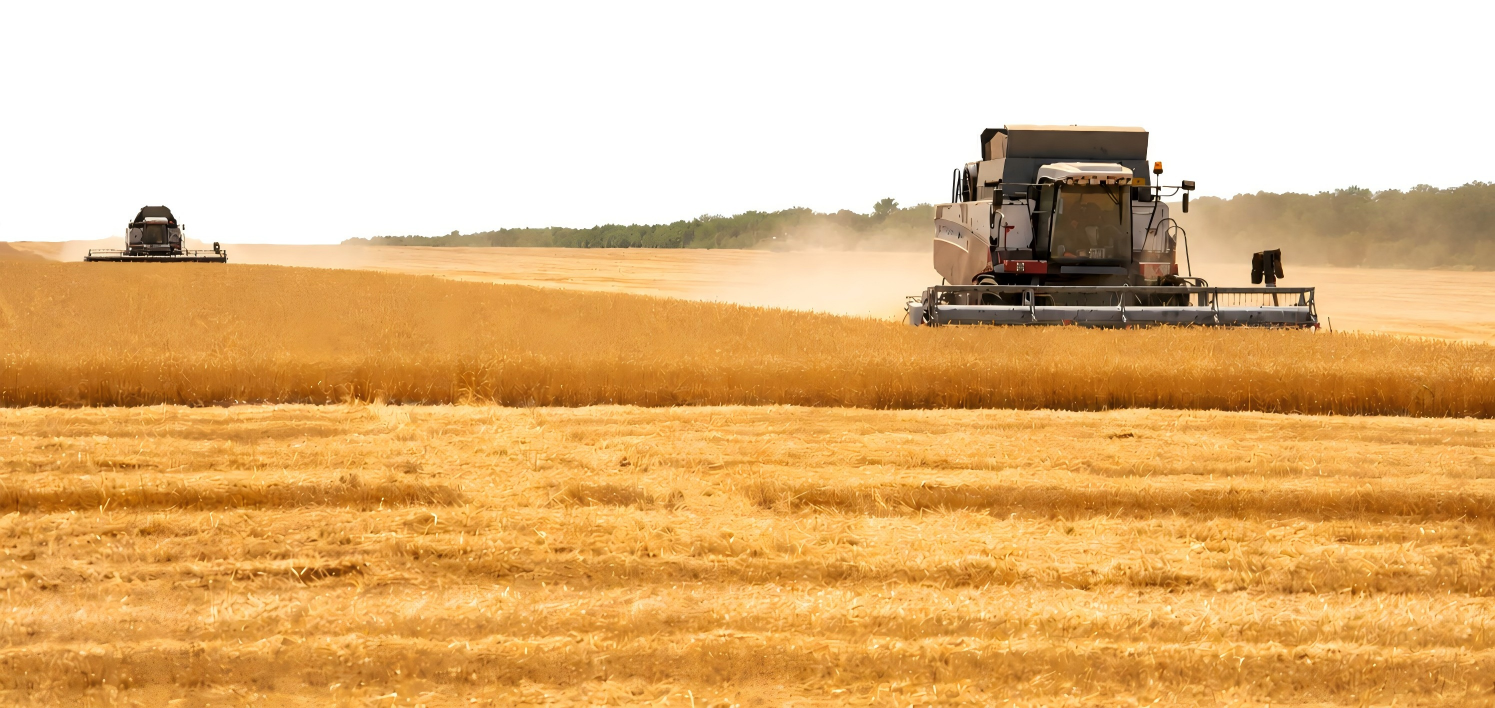
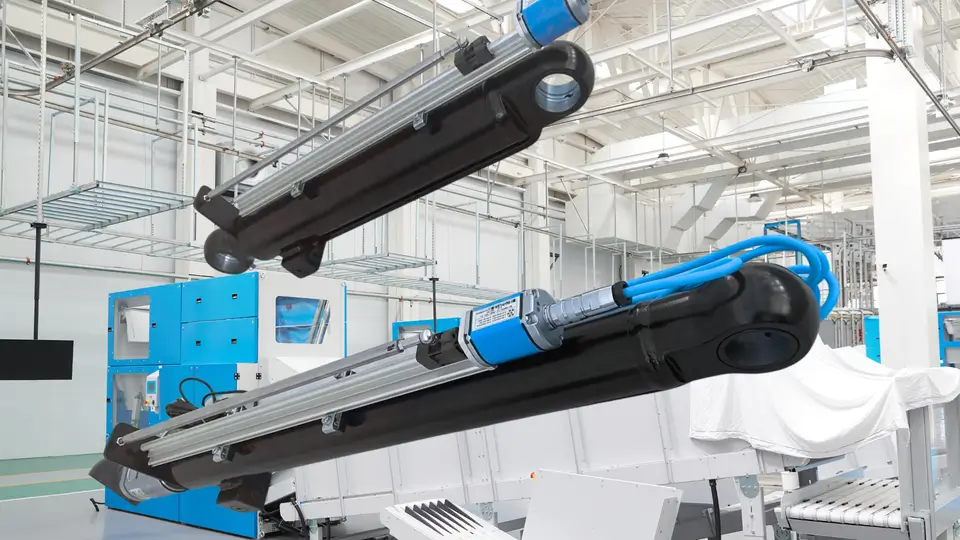
As a china agricultural hydraulic cylinders manufacturer, GY Hydraulic provides stable, durable, and customizable hydraulic cylinder solutions for agricultural machinery. We offer custom hydraulic cylinders designed for lifting, tilting, folding, steering, and attachment control in agricultural machinery.
Home / China Agricultural Hydraulic Cylinders
Why Choose GY Hydraulic
Leveraging its professional engineering capabilities, GY Hydraulic provides reliable welded hydraulic cylinders for OEM and custom projects. From prototype development to mass production, we help you achieve consistent product performance, reliable supply assurance, and more efficient project delivery.
Our Agricultural Hydraulic Cylinder Range
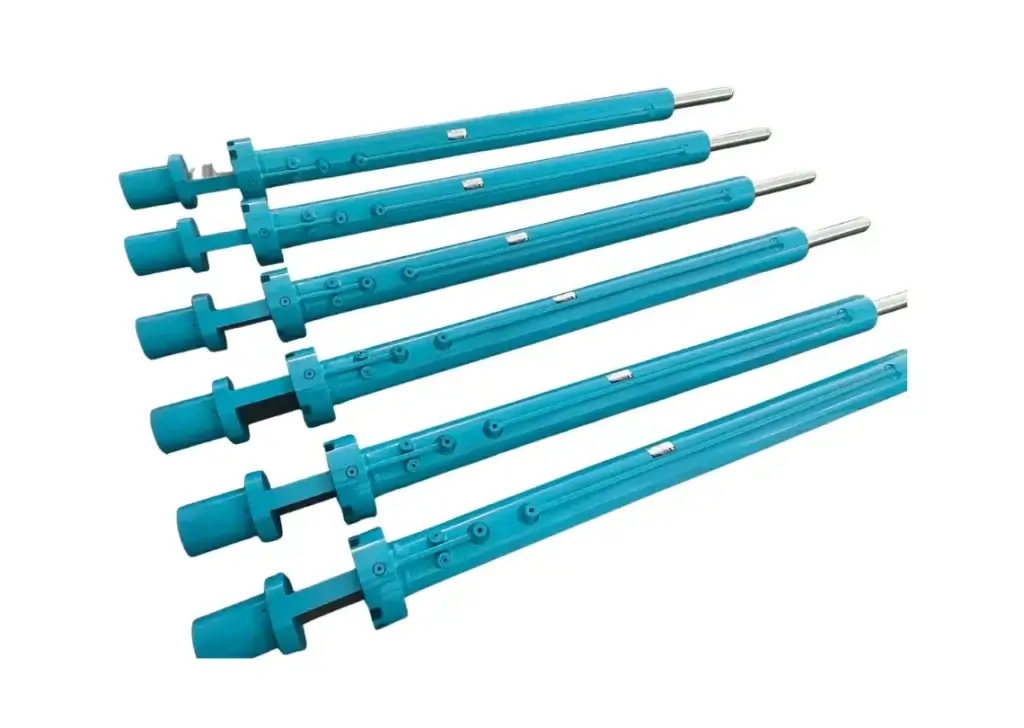
GY Hydraulic can design and manufacture various types of welded hydraulic cylinders tailored to your equipment’s structure, load, operating pressure, stroke, and installation space. Currently, our welded hydraulic cylinders are widely used in general industrial equipment as well as in projects involving heavy loads, long strokes, and special environments.
Custom Agricultural Hydraulic Cylinder Capabilities
GY Hydraulic manufactures custom China Agricultural Hydraulic Cylinders based on your equipment structure, operating load, stroke, working pressure, mounting space, and outdoor operating environment.
| Customization Item | Available Customization Options | Problems We Help Solve |
|---|---|---|
| Bore, Rod Diameter and Stroke |
Custom Bore Size
Rod Diameter
Effective Stroke
Retracted Length
Extended Length
Main cylinder dimensions are selected according to equipment load, hydraulic pressure, operating speed, and available installation space. |
Reduces the risks of insufficient force, incorrect stroke, installation interference, and oversized cylinder specifications. |
| Cylinder Structure |
Double-Acting Cylinder
Differential Cylinder
Synchronous Cylinder
Welded Construction
Threaded Construction
Standard cylinder designs can be modified, or a non-standard structure can be developed according to your agricultural equipment drawing. |
Supports lifting, tipping, folding, steering, compressing, and attachment control functions in different agricultural machines. |
| Mounting Configuration |
Plain Rod Eye
Spherical Rod Eye
Head Flange
Cap Flange
Center Trunnion
Foot Mounting
Pin diameters, mounting holes, connection dimensions, and mounting directions can be matched to your equipment structure. |
Accommodates different pivot positions and movement angles while reducing side loading, installation errors, and mechanical interference. |
| Working Pressure and Output Force |
Working Pressure
Maximum Push Force
Maximum Pull Force
Safety Factor
The required output force is calculated according to system pressure, machine load, mounting angle, and mechanical pivot geometry. |
Prevents insufficient lifting force, undersized piston rods, and unnecessary cylinder oversizing. |
| Piston Rod Configuration |
CK45 Piston Rod
CK53 Piston Rod
Hard Chrome Plating
Hardened Chrome Rod
Custom Rod-End Thread
Piston rod material, diameter, and surface treatment can be selected according to load, side-load risk, duty cycle, and operating environment. |
Improves wear resistance, bending resistance, and corrosion protection during frequent agricultural equipment operation. |
| Sealing and Guidance System |
Piston Seal
Rod Seal
Wiper Seal
Guide Ring
Fluid Compatibility
Seal configurations are selected according to operating temperature, hydraulic fluid, movement frequency, dust, mud, and moisture exposure. |
Reduces external leakage, internal bypass, contaminant ingress, and premature seal wear. |
| End-of-Stroke Cushioning |
No Cushioning
Single-End Cushioning
Double-End Cushioning
Adjustable Cushioning
Flow Restriction Design
Cushioning is configured according to cylinder speed, load inertia, stroke length, and machine movement requirements. |
Reduces shock and vibration when headers, spray booms, tipping bodies, and folding mechanisms reach the end of their stroke. |
| Ports and Hydraulic Connections |
BSPP Threads
ISO Metric Threads
Custom Port Size
Port Orientation
Bleeding Port
Port position and angle can be adjusted according to hose routing, valve location, and available installation space. |
Reduces hose bending, piping interference, difficult assembly, and incorrect connection orientation. |
| Surface Protection |
Custom Paint Color
Protective Coating
Rust Protection
Outdoor Application
Surface treatment can be selected according to equipment color, storage conditions, and outdoor agricultural environments. |
Improves cylinder protection against rain, humidity, mud, corrosion, and seasonal equipment storage. |
| Quality Inspection |
Pressure Testing
Leakage Inspection
Extension Test
Stroke Inspection
Cushioning Inspection
After assembly, the cylinder is checked for pressure resistance, sealing performance, dimensions, movement, and cushioning performance. |
Reduces the procurement risks of leakage, sticking, incorrect stroke, and inconsistent performance in production batches. |
| OEM and Volume Production |
Build to Drawing
Sample Replication
Non-Standard Development
Prototype Production
Volume Supply
We support agricultural hydraulic cylinder projects from technical confirmation and prototype development to stable volume production. |
Helps agricultural equipment manufacturers standardize specifications, control product quality, and establish a stable long-term supply chain. |
Custom Welded Hydraulic Cylinder Process
GY Hydraulic begins with an analysis of your project requirements and provides support throughout the entire process—from hydraulic cylinder design and drawing confirmation to precision machining, assembly testing, and delivery. Each project is tailored to the actual load, installation space, operating pressure, motion requirements, and operating environment, ensuring that the custom hydraulic cylinder is perfectly matched to your equipment.

Submit Requirements
Provide hydraulic cylinder drawings, photos of samples, or key parameters, including cylinder bore, rod diameter, stroke, operating pressure, mounting method, and purchase quantity.

Engineering Design
GY Hydraulic determines the hydraulic cylinder’s structure, materials, seals, cushioning, and mounting configuration based on equipment load, installation space, and operating environment.

Production and Testing
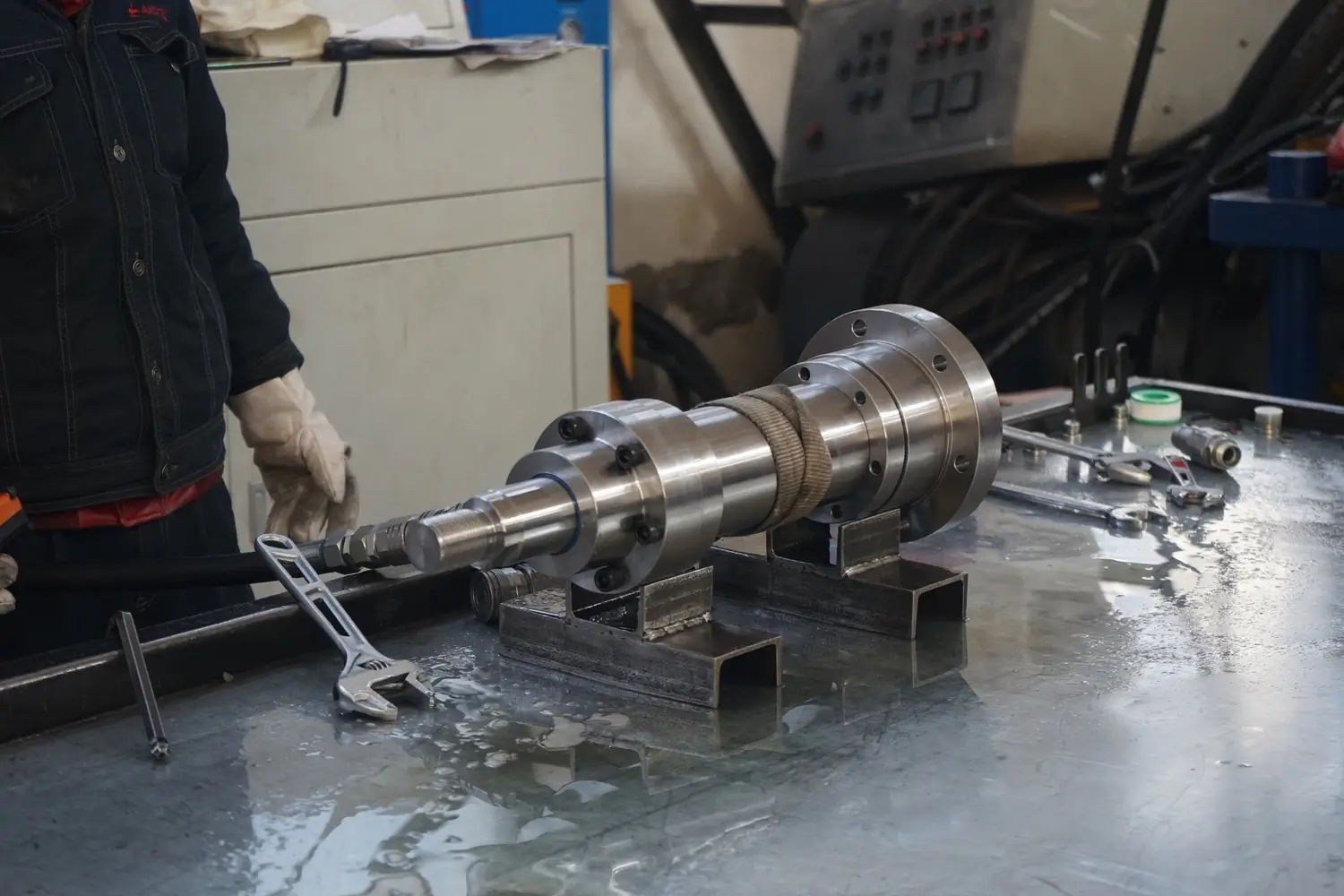
Precision machining, welding, and assembly are completed in accordance with the approved drawings, followed by dimensional inspection, pressure testing, leak testing, and functional testing.

Packaging and Delivery
After passing inspection, the products undergo surface protection and packaging, and are delivered according to order specifications. Installation, usage, and maintenance support are also provided.
How to Select an Agricultural Hydraulic Cylinder
When selecting agricultural hydraulic cylinders, you should not base your comparison solely on cylinder bore diameter or price. You must also consider the equipment’s motion, load, system pressure, mounting dimensions, working stroke, connection method, hydraulic fluid, and outdoor operating environment.
Selecting a cylinder based on these parameters can help minimize issues such as insufficient thrust, installation interference, piston rod off-center loading, seal leakage, and short service life.
Quick Selection Guidelines:
- Determine the motion the hydraulic cylinder needs to perform.
- Determine the cylinder bore based on the maximum load and system pressure.
- Determine the piston rod and mounting configuration based on stroke, mounting length, and lateral forces.
- Select appropriate seals, port configurations, and surface protection solutions.
Agricultural Hydraulic Cylinder Solutions by Application
Hydraulic cylinders in agricultural machinery must withstand complex operating conditions, including frequent reciprocating motion, impact loads, dust, mud, water, vibration, and temperature fluctuations outdoors. GY Hydraulic can develop standard or custom hydraulic cylinders for various types of agricultural machinery based on equipment requirements.
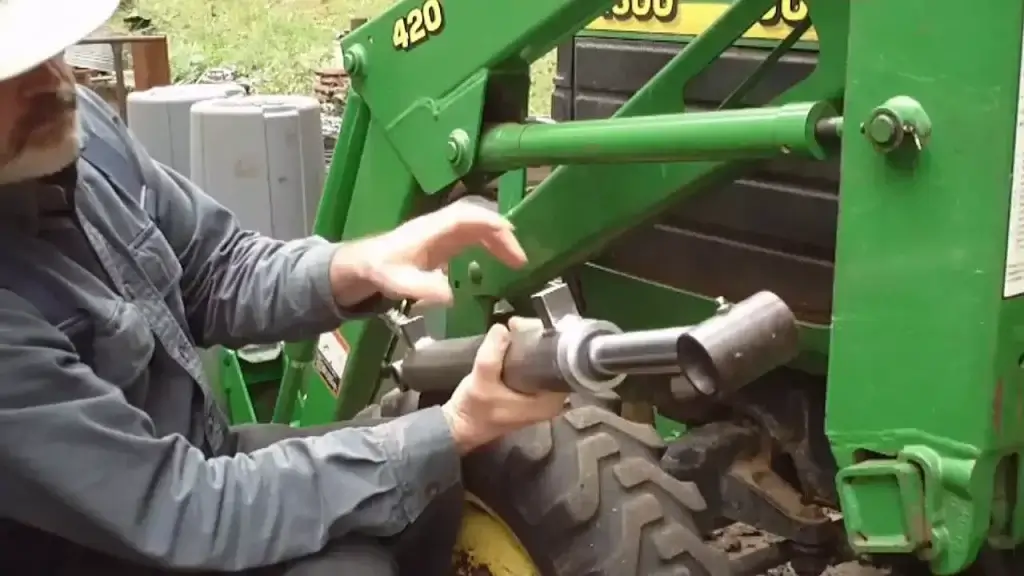
Hydraulic Cylinders for Tractors and Front Loaders
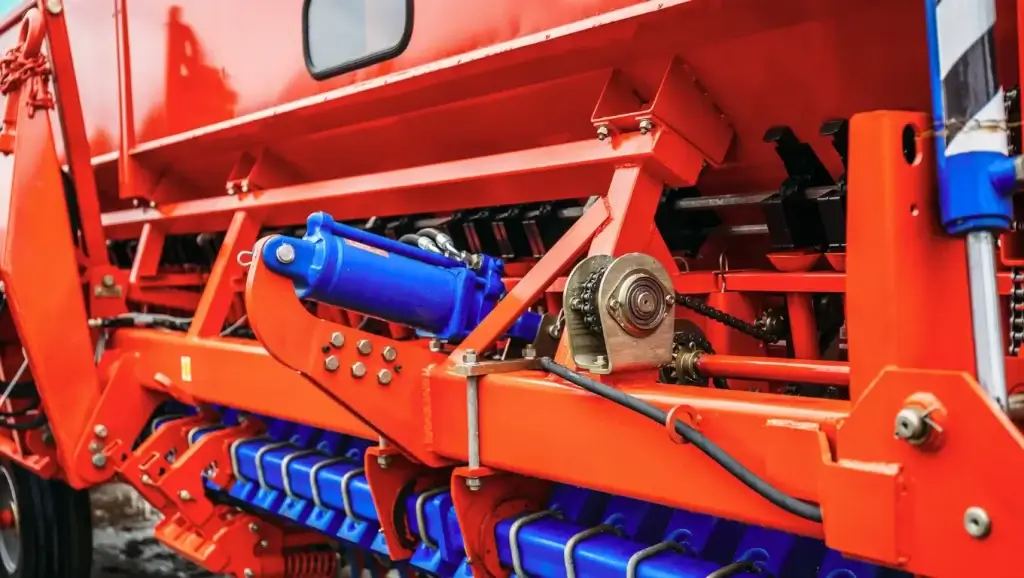
Suitable for tractor front loader arms, bucket tilting, three-point hitch systems, implement lifting, and auxiliary attachment control.
Operational Challenges: Frequent load changes during loading operations expose the cylinders to off-center loads, shock, and vibration; installation space, pin sizes, and lifting angles also vary among different tractors.
Recommended Solution: GY Hydraulic can customize double-acting hydraulic cylinders based on loading capacity and motion trajectories, and provide mounting options such as ear rings, ball joints, pins, or flanges.
Combine Harvester Hydraulic Cylinders
Suitable for cutting unit lifting, reel adjustment, grain discharge chute deployment, grain tank lid opening/closing, and other harvesting mechanism controls.
Operational Challenges: Harvesting equipment operates continuously for extended periods, requiring frequent start-stop cycles of the hydraulic cylinders, which may also be exposed to crop residue dust, dirt, and external impacts.
Recommended Solution: Compact or double-acting agricultural hydraulic cylinders can be customized based on the harvesting mechanism’s movement speed, installation location, and load variations, with buffer structures incorporated to reduce end-of-stroke impact.
Hydraulic Cylinders for Balers and Forage Equipment
Suitable for opening and closing the baling chamber, compression mechanisms, raising and lowering the forage pick-up, tailgate control, and folding of forage equipment.
Operational Challenges: During baling and compression, loads are substantial; cylinders may be subjected to high thrust, repetitive cycles, and sudden impacts over extended periods. The stability of seals and piston rods directly affects equipment efficiency.
Recommended Solution: GY Hydraulic can design cylinder bore, piston rod, and seal configurations based on maximum compression force, cycle frequency, and hold time, and provide suitable mounting and connection methods.

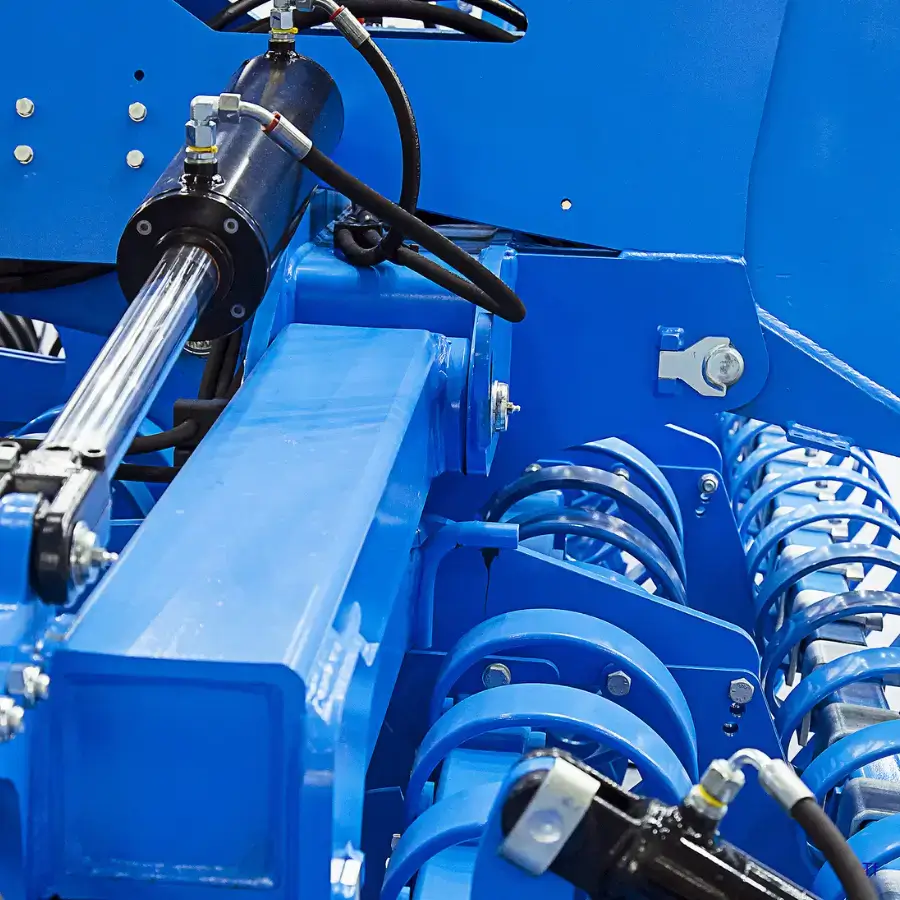
Hydraulic Cylinders for Plows, Seeders, and Tillage Equipment
Suitable for plow tilting, seeding depth adjustment, frame lifting, side wing folding, and control of tillage attachments.
Operational Challenges: Large tillage equipment has multiple actuation points, making it prone to issues such as asynchronous lifting on both sides, inconsistent working depths, or unstable operation of folding mechanisms.
Recommended Solution: We can provide double-acting, constant-speed, or synchronous hydraulic cylinder solutions based on the equipment’s hydraulic circuit and mechanical structure to ensure consistent operation of multiple actuators.
Hydraulic Cylinders for Agricultural Trailers and Dump Hoppers
Suitable for lifting agricultural trailer bodies, tilting grain hoppers, opening and closing tailgates, and material unloading mechanisms.
Operational Challenges: Unloading mechanisms typically require significant initial lifting force and long stroke lengths, while also being constrained by installation space, lifting angles, and load distribution within the trailer body.
Recommended Solution: GY Hydraulic can calculate the required thrust based on hopper weight, pivot point location, maximum lift angle, and system pressure, and customize the corresponding cylinder bore, rod diameter, stroke, and mounting configuration.
Get An Instant Quote Now
What Information Do We Need for a Hydraulic Cylinder Quote?
| RFQ Information | Information Required |
|---|---|
| Agricultural Equipment | Tractor, combine harvester, baler, seeder, sprayer, agricultural trailer, loader, or other agricultural machinery. |
| Cylinder Function | Lifting, tipping, folding, steering, compressing, positioning, or agricultural attachment control. |
| Cylinder Type | Single-acting, double-acting, welded, telescopic, synchronous, differential, or another custom hydraulic cylinder design. |
| Main Dimensions | Bore diameter, piston rod diameter, effective stroke, retracted length, extended length, and mounting center distance. |
| Mounting Configuration | Rod-end and cap-end mounting types, pin diameter, eye width, mounting-hole dimensions, flange dimensions, and installation direction. |
| Pressure and Load | Normal working pressure, maximum system pressure, required push and pull force, maximum static load, and dynamic load. |
| Hydraulic Ports | Thread standard, port size, port position, port orientation, hose routing, and any required bleeding or testing ports. |
| Operating Conditions | Hydraulic fluid, minimum and maximum operating temperature, cylinder speed, duty cycle, operating frequency, and cushioning requirements. |
| Working Environment | Exposure to dust, mud, rain, snow, fertilizer, chemicals, high-pressure washing, vibration, impact, or long-term outdoor storage. |
| Material and Surface Treatment | Cylinder tube material, piston rod material, chrome plating, paint color, protective coating, corrosion resistance, and special seal requirements. |
| Technical Documents | Two-dimensional drawing, three-dimensional model, hydraulic schematic, original cylinder model, nameplate photo, installation photo, or physical sample. |
| Order Information | Prototype quantity, initial order quantity, annual purchasing volume, required delivery date, packaging, labeling, and OEM branding requirements. |
1. What sizes of hydraulic cylinders can GY Hydraulic manufacture?
Cylinder bore: φ25–φ1000 mm;
Maximum stroke: up to 16 m;
Hydraulic system pressure: up to 70 MPa.
These specifications do not imply that every agricultural hydraulic cylinder is suitable for the maximum dimensions or highest pressure. Specific manufacturable specifications must be determined based on the agricultural equipment’s structure, load, installation space, and safety requirements.
2. Can the operating pressure of an agricultural hydraulic cylinder exceed its rated pressure?
No. The actual operating pressure of a hydraulic cylinder must not exceed the rated pressure specified for the product.
When selecting a model, you should provide the normal operating pressure, the system’s maximum pressure, the relief valve setting, and any potential shock pressures. Selecting a cylinder based solely on the hydraulic pump’s nominal pressure may overlook transient pressure peaks in the system.
Our installation manual explicitly requires that, prior to commissioning, the hydraulic cylinder model, bore diameter, rod diameter, stroke, and actual operating pressure be verified to ensure that the actual pressure does not exceed the rated pressure.
3. Can agricultural hydraulic cylinders be equipped with end-of-stroke cushioning?
The cushioning configuration should be evaluated based on the load, operating speed, and impact conditions at the end of the stroke.
Common options include:
- No cushioning;
- Single-end cushioning;
- Double-end cushioning;
- Adjustable cushioning.
Cushioning is suitable for high-inertia movements such as boom folding, header lifting, hopper tilting, and the deployment of large agricultural implements. The hydraulic cylinder cushioning device is adjusted as required during factory testing; subsequent adjustments must be performed according to the instructions, and the throttle valve must not be fully closed to avoid safety risks.
4. Does an agricultural hydraulic cylinder need to be bled before being put into operation?
Yes. Residual air inside the hydraulic cylinder is compressible and may cause unstable operation, crawling, vibration, or delayed response.
Before commissioning, the hydraulic system must be filled with the correct working fluid, and residual air must be purged in accordance with the equipment and hydraulic cylinder’s bleeding requirements. Bleeding and initial operation should be performed by personnel with relevant experience.
The GY Hydraulic manual also requires that the correct working fluid be introduced into the hydraulic system through an appropriate filter, and that the hydraulic cylinder be put into service only after confirming that it has been installed correctly.
5. Do agricultural hydraulic cylinders require regular maintenance?
Regular inspections are required, but under normal operating conditions, the hydraulic cylinder body does not require complex maintenance. Swivel shafts, hinge points, pins, and other such components should be lubricated regularly in accordance with equipment specifications.
Key points for daily inspections include:
- Check for oil leaks at oil ports and connection points;
- Check the piston rod surface for scratches or contamination;
- Check for abnormal movement of the piston rod;
- Whether the protective coating on the cylinder body is damaged;
- Whether there are external leaks at the seal locations;
- Whether screws, nuts, couplings, and flanges are loose;
- Whether the piston rod and the exterior of the hydraulic cylinder are clean.
When external leakage exceeds the permissible range, the seals should be inspected or replaced; when internal leakage is abnormal, the piston rod, cylinder barrel, and guide components should also be inspected.
View More Videos about GY Hydraulic
Gain an in-depth understanding of GY Hydraulic’s production processes, manufacturing equipment, quality control, and customization capabilities. See firsthand how we provide reliable hydraulic solutions for a wide range of industrial projects.
Hydraulic Cylinder Solutions for Global Customers
Whether it’s a standard hydraulic cylinder or a complex OEM project, we can provide professional solutions based on the drawings, equipment requirements, and application environment you provide.